Shasha Tian
Urban Planner and Research Fellow,
Shanghai Institute of Urban Planning and Design
shashatian2@gmail.com
User Profiling and Spatial Preference Analysis of Music Festival Attendees
1. Background & Research Questions
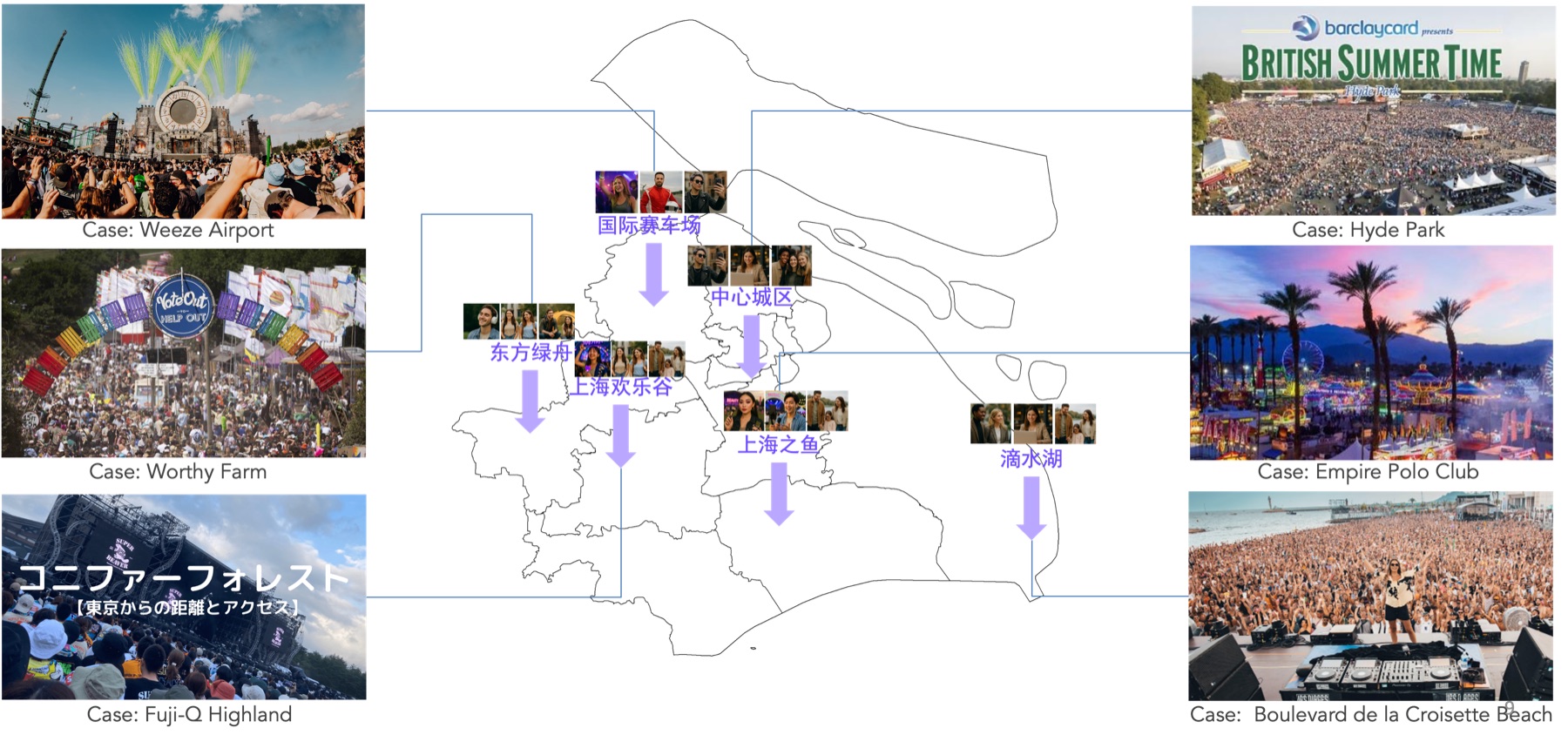
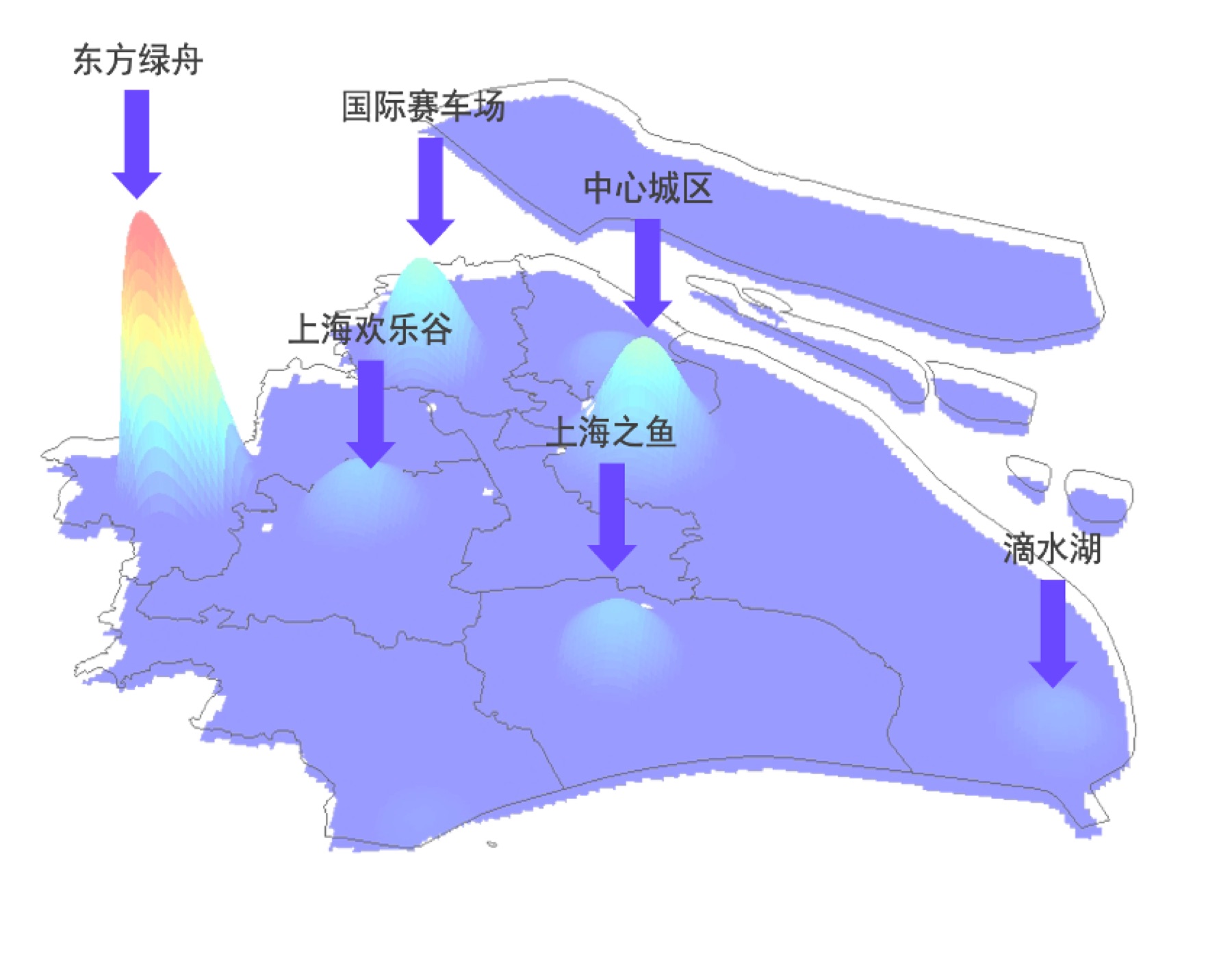
Background: With the prevalence of the event economy, music festivals hold strong potential to stimulate spillover consumption. Shanghai features numerous venues hosting music festivals, each characterized by distinct spatial traits and target audiences.
Research Questions:
- What are the spatial and behavioral differences between Central Activity Zones (CAZ) and suburban areas in hosting music festivals?
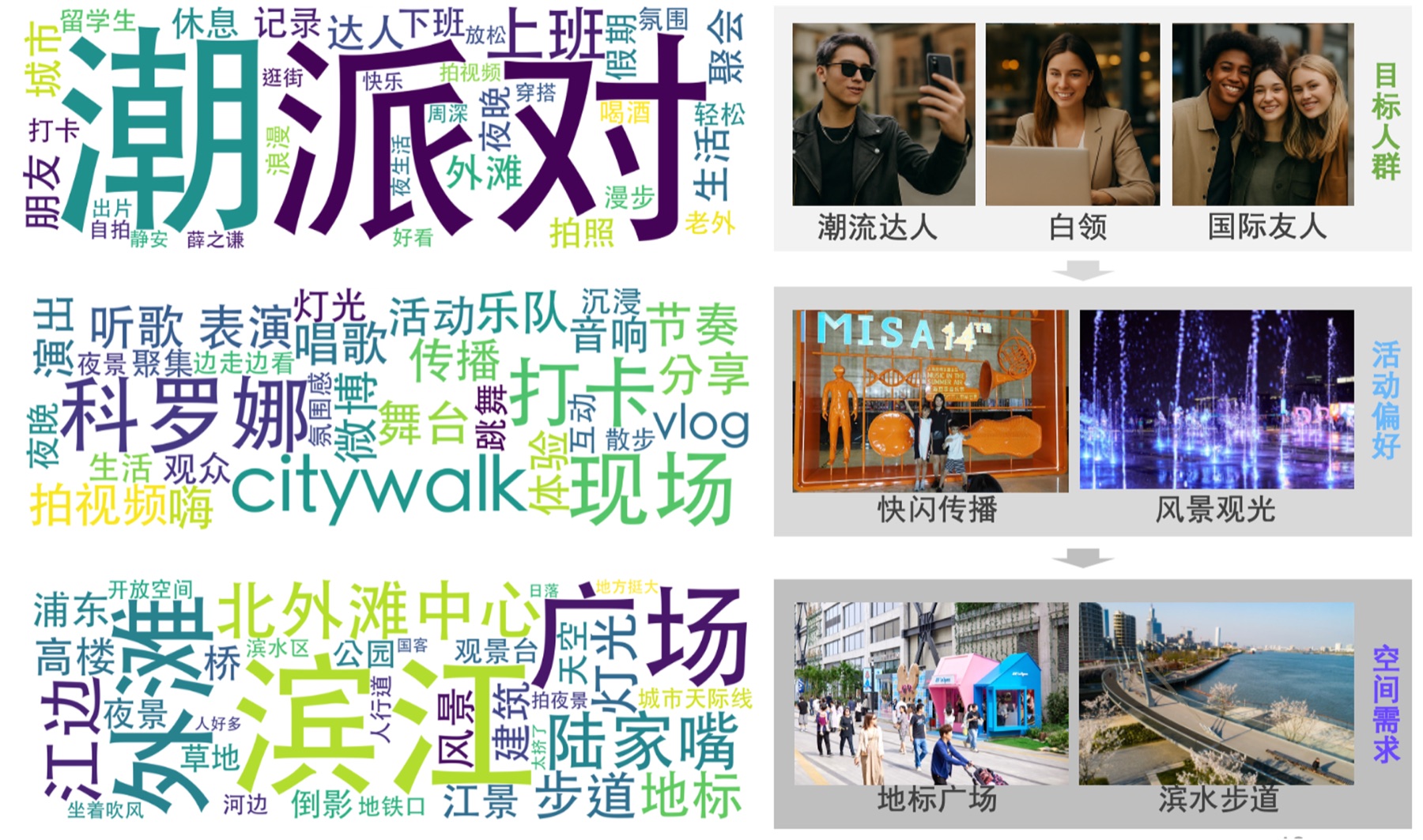
- What are the characteristics of target audience of each place? And how can we deduce their preference on activities and space?
2. Data & Methodology
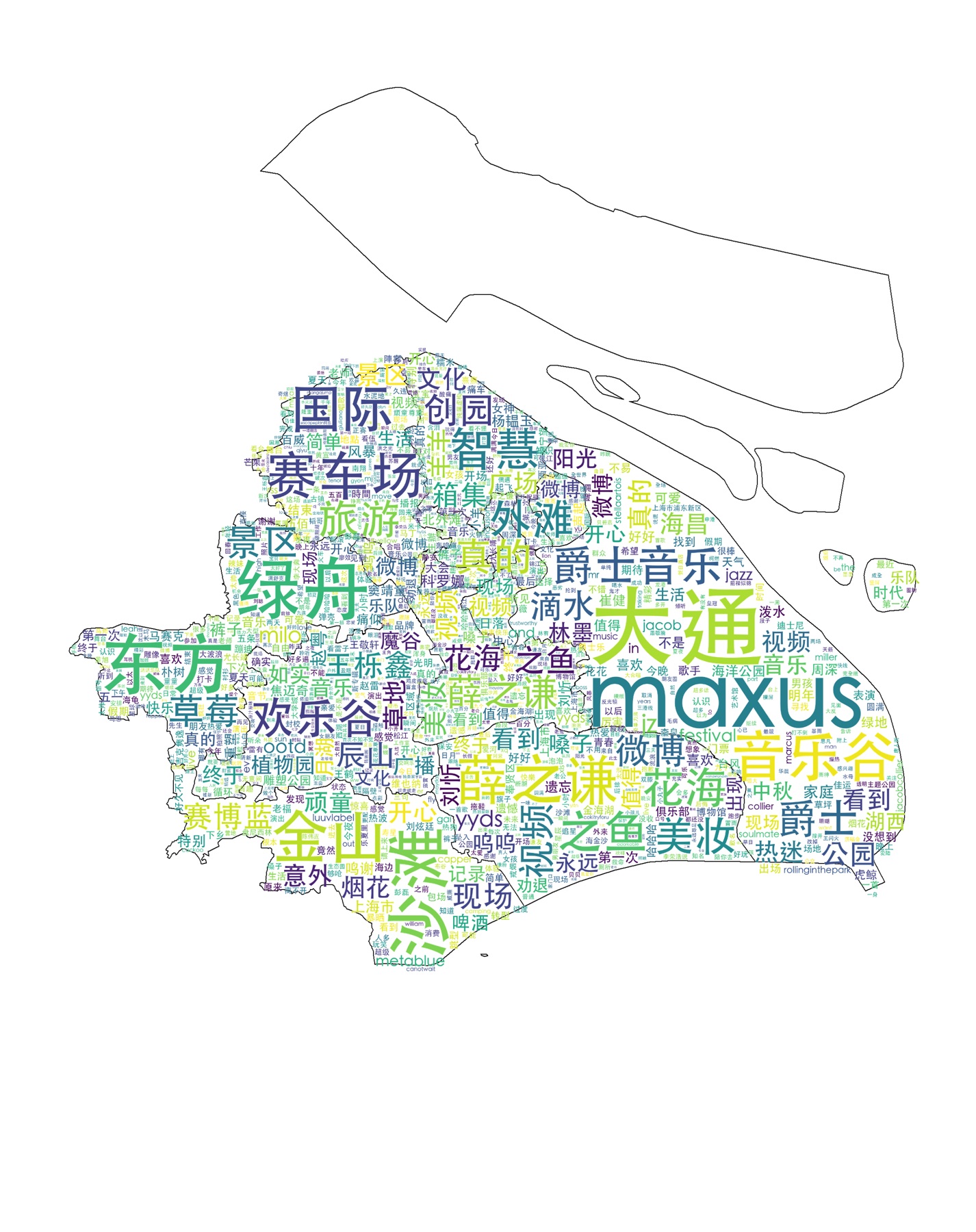
Data Source: Social media post mining and location-tagged user data (e.g., Sina Weibo).
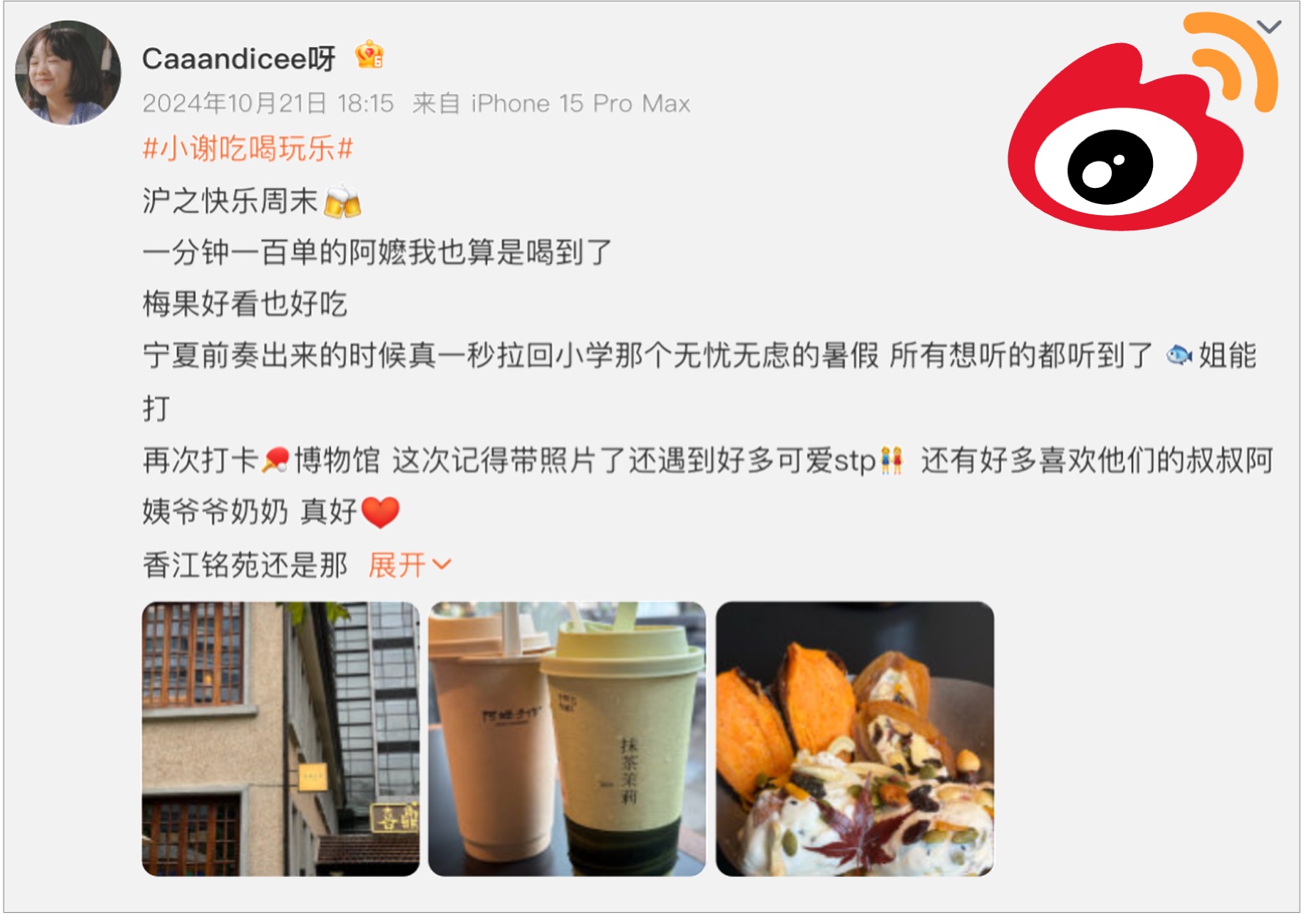
Methodology: Social Media Mining $\rightarrow$ Data Cleaning $\rightarrow$ Location-Based Classification $\rightarrow$ High-frequency Keyword Extraction $\rightarrow$ Audience-Activity-Space Relationship Analysis $\rightarrow$ Development of Differentiated Planning Strategies.
3. Key Results & Insights
Central Activity Zone (CAZ): Focuses on high-end, indoor, and leisure-oriented urban festivals. Attracts trendy crowds, white-collar professionals, and international visitors for flash mobs, Citywalks, and scenic urban sightseeing.
Suburban Area: Focuses on nature-based and site-oriented outdoor festivals. Attracts youth, university students, and camping enthusiasts interested in night markets, outdoor barbecues, coffee trucks, and waterside camping activities.