Shasha Tian
Urban Planner and Research Fellow,
Shanghai Institute of Urban Planning and Design
shashatian2@gmail.com
Decision Making Factors of Travelers of Coach and Highway
1. Research Questions & Background
Background:The rapid expansion of High-Speed Rail (HSR) networks in China’s Yangtze River Delta (YRD) has significantly impacted long-distance intercity bus services, leading to an 81% route overlap and intense competition (especially in the 200–300 km range).
Questions:
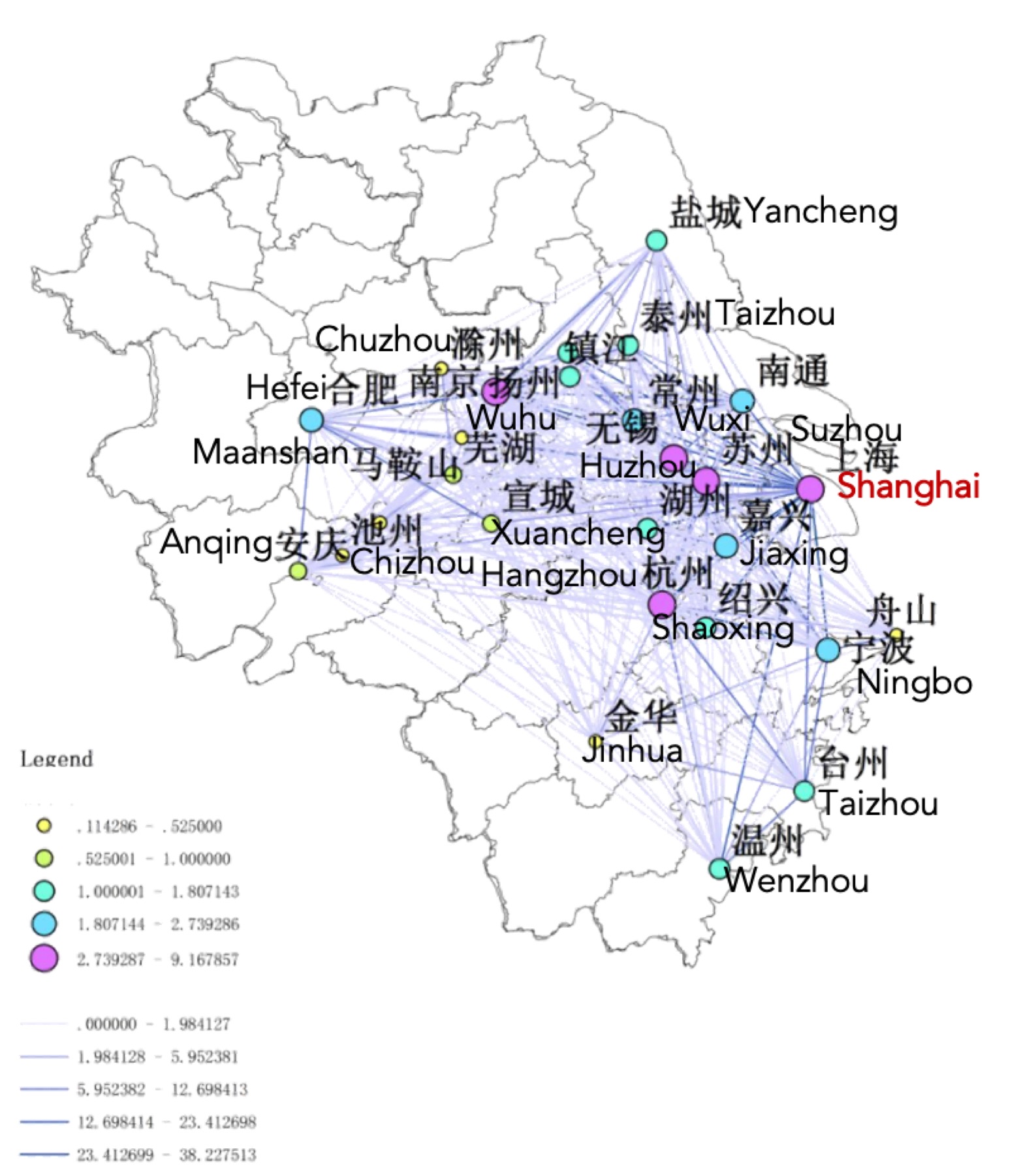
- How do the network structures of long-distance buses and high-speed rail differ in the Yangtze River Delta?
- What demographic and service factors influence passengers’ choices between bus travel and high-speed rail?
- What spatial and service adaptation strategies can long-distance buses adopt to survive in the HSR era?
2. Data & Methodology
Data: Bus departure frequency obtained via Python web scraping, alongside passenger evaluation questionnaires.
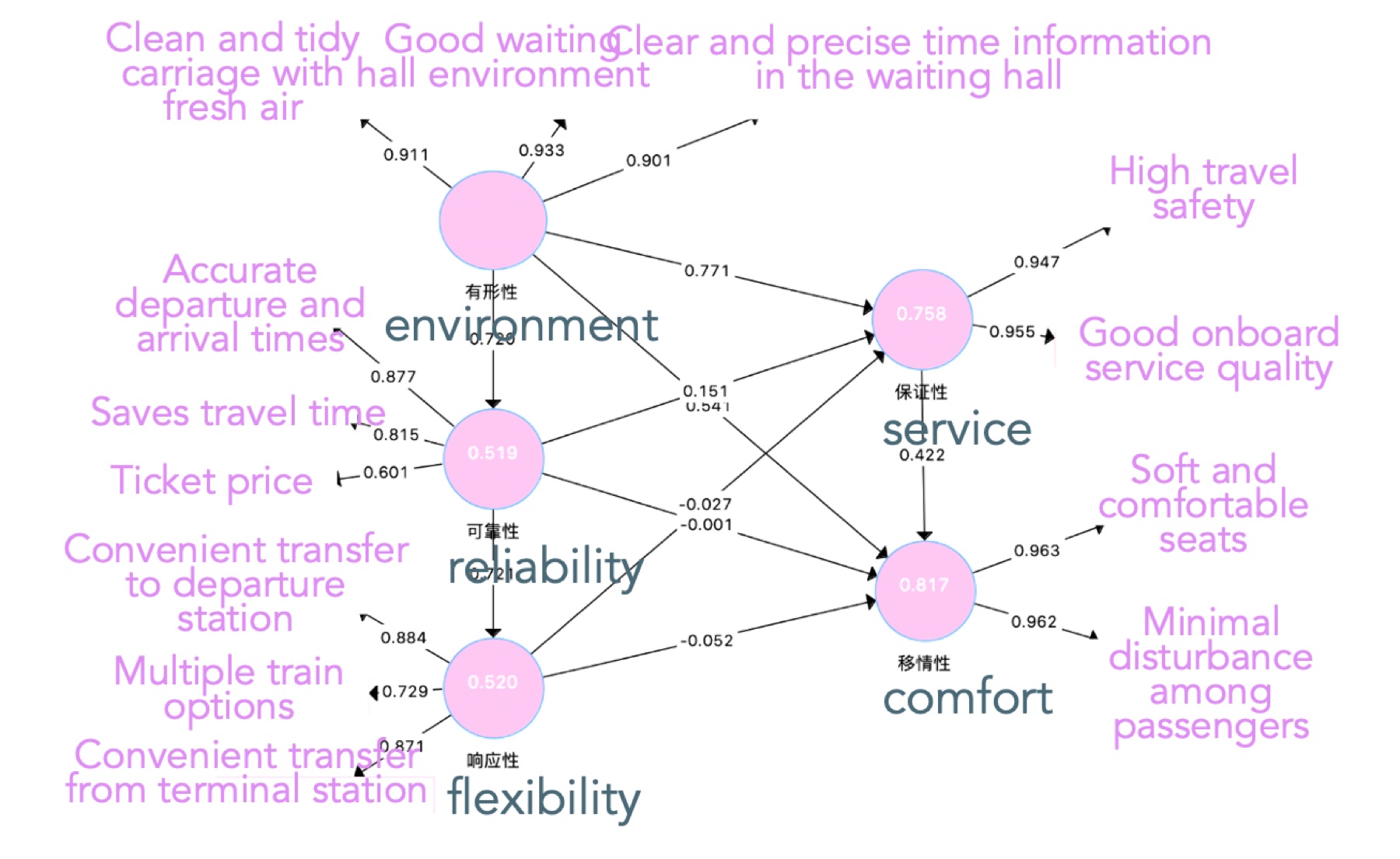
Methodologies: Network structure analysis, Discrete Choice Modeling (Binary Logistic Regression), and Structural Equation Modeling (SEM).
Dimensions Analyzed: Tangibility/Environment, Reliability, Responsiveness/Flexibility, Assurance/Service Quality, and Empathy/Comfort.
3. Key Results
Intercity bus service maintains a niche market for shorter distances (<200 km) and among older passengers due to higher stop flexibility and lower fare costs.
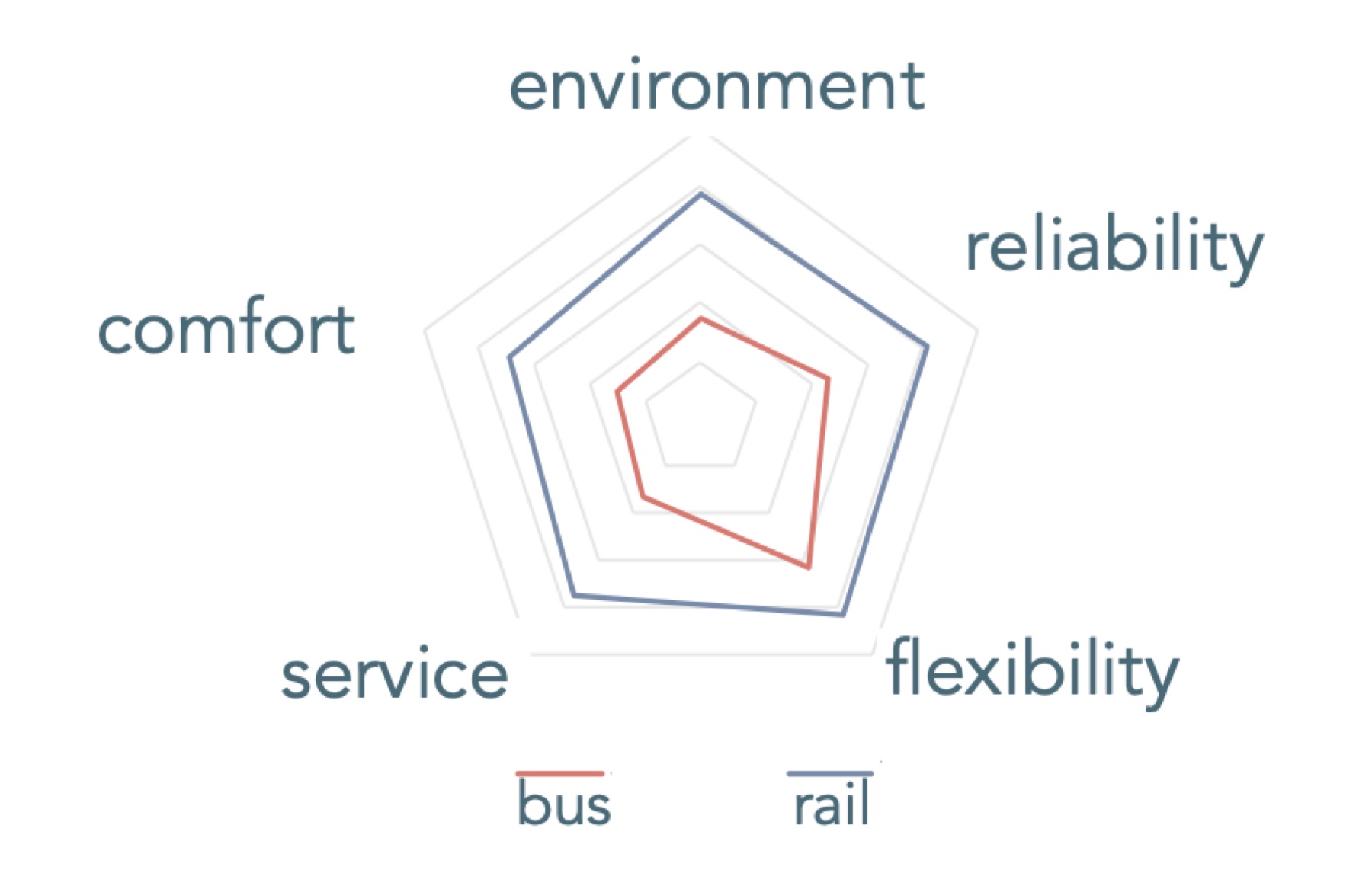
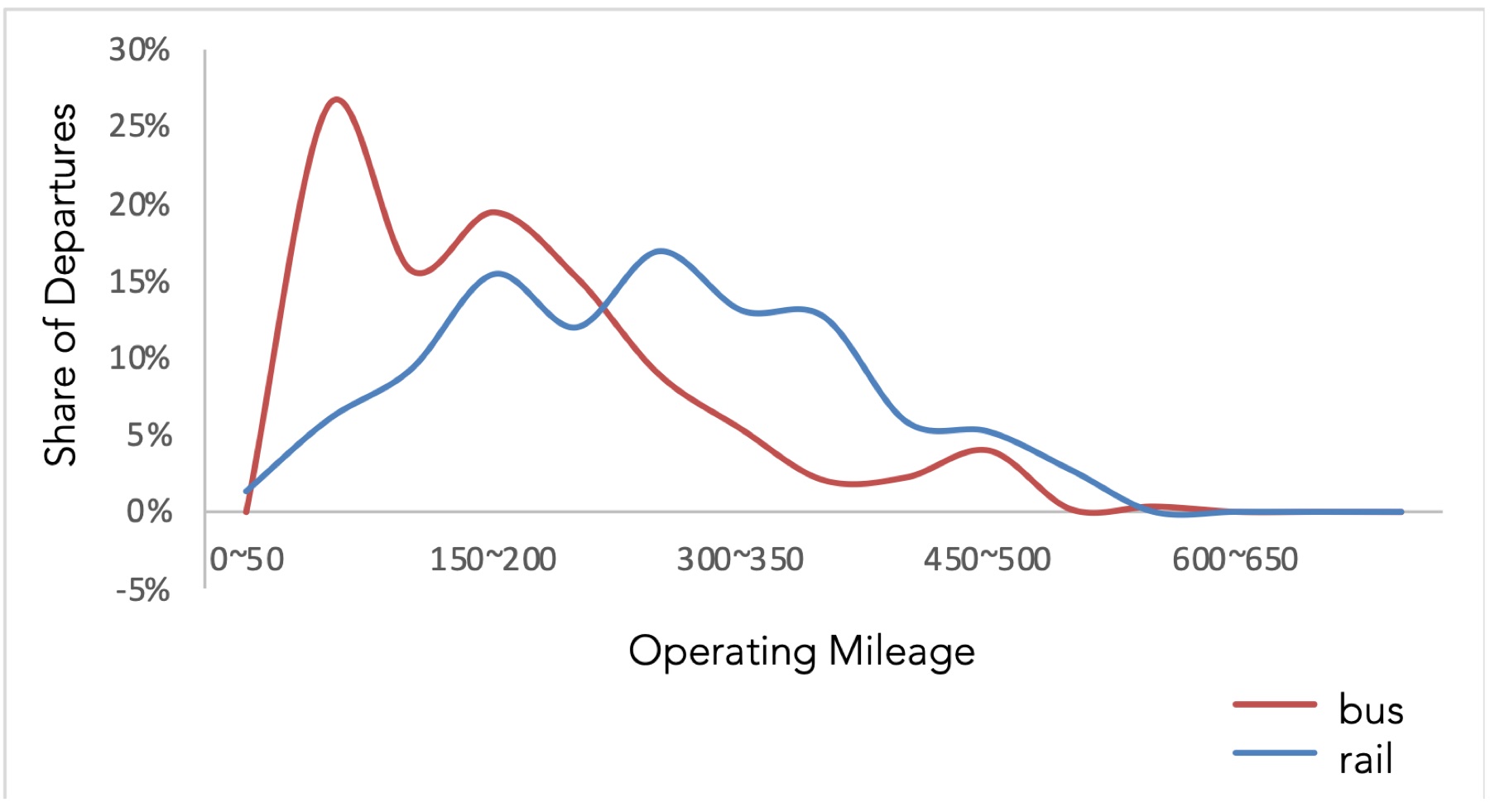 Passenger Choice Determinants: Age, flexibility, and travel distance are primary determinants. High-speed rail holds a strong competitive advantage in speed, reliability, and comfort for long distances.